In which scores (1-10) are given to the newest iteration of everyone's favorite campus news-thing.
The Cover: 2
I don't understand this at all. The picture I can deal with, a guy with a sled and his flapper-hatted girl, circa 1885. The weird part is the font, which you'd expect to say something like
SPACE INVASION@The Liquid Lounge
Hard/Psychedelic Trance All Night
DJ Phazon and the Cybertrybe
$2 Red Bull+Vodka
Besides the font the problem is really the leading- some freshman's incredible design idea was to make the top of each row of text sit on top of the bottom of the line above it, creating this weird cascading effect that makes everything next to impossible to read. Not to mention that, with the exception of the main article, article titles are in lowercase while the reference to what page they're on is in all caps. Who OKed this typography? What were they thinking? You really have to stare really hard at it to read it. Additionally, I don't know what's up with the huge black box they've put all the text on top of.
The Editorial: 8
Nick Desai's writing is fun to read, even if he does weird shit like hyphenate "Face-book," but there's not really a clear point to the article. I don't know if this is a bold step away from partisanship on the part of TDR or not, but it's really strange to see both sides of an issue considered, in seemingly good faith, on page 3. I mean, if I told you that the editor of the Dartmouth Review was writing an editorial about the effects of the sexual revolution, you'd think you'd know where things were going, but that's not really the case here. Desai even intones that he feels sorry for ugly people, which is remarkably empathetic given that he himself is pretty good-looking, or at least I thought he was Fall term when I had a class with him. Anyway, he may be an arch-conservative or he may not (it's hard to tell from that article) but he seems like a nicer dude than the last guy.
Col. (Ret.) James A. Donovan '39's Cartoons: 10
These are incredible. My favorite part of C(R)JA.D'39's output is that every character's mouth is open all the time, so that you can't ever tell who's talking to whom (actually, this month he sort of broke form with the left cartoon, but that's an exception). The reason for this is ostensibly that he's old and senile and is just recaptioning cartoons he drew 20 years ago en masse (one TDR kid told me a while ago that he sends huge manila folders full of hundreds of cartoons along with his donation checks, with the implicit expectation that they'd better publish at least two of them). But I really think that C(R)JA.D'39 is a radically experimental cartoonist, and this technique deliberately foregrounds the artificiality of the cartoon/caption boundary, in that it becomes impossible for the reader to assign agency to the "speech." Anyway, the unsettlingly sexualized old lady on the left is one thing, but that cartoon on the right really is the clincher here. Does he really believe that women's breasts were bigger in the 1930s? Or is he trying to say that we're not allowed to talk about women's breasts like we used to be able to? This seems rhetorical, but you've gotta consider the source here.
Emily Ghods-Esfahani: 10
EG-E only writes one short article here, and they printed it on black ink over a dark grey box, so you can't even read it. Incredible move on Desai's part. The quality of the paper surges forward.
The Alum's Memoirs: 8
This seems really awesome, but it's annoying that it's serialized so cheesily. AND WHAT THEY FOUND BEHIND THAT DOOR WOULD CHANGE THE GAME SO DRAMATICALLY, NOTHING WOULD EVER BE THE SAME FOR Dr. RICK STRYKER AND HIS CRACK TEAM OF ARCHAEOLOGICAL SCIENCE HEROES AGAIN.
(The Late) Professor Emeritus Jeffrey Hart: who cares
New Feature "Dissent! With Cate Lunt": 9
I say with no sarcasm: incredible satire, spot-on imitation of you-know-what sort of liberal, I want more. Whoever is writing this is a gotdamn genius. The books she has written in her byline info sound great, too.
Barrett's Mixology: (dom)3
Stethers gets a rating of Dome for including scotch, which is the hip new thing amongst residents of Lord 7. I didn't read that part that was written under it.
This issue wins the Little Green Blog's Most Improved award. I had a lot of fun reading this. Nothing made me pissed. I bet Buckley is upset.

April 10, 2007


April 9, 2007
A Good Cause — Iraqi Kids Project

My good friend Meredith Wilson has for the past two years run the Iraqi Kids Project, which collects clothes, shoes, toys, school supplies, and toiletries from Dartmouth students to box up and send to Dartmouth grads who are currently stationed in Iraq for distribution to children there. More details about the project can be found here.
Meredith says:
boxes will go out to nearly all dorm clusters on May 21. There will be mass blitzes with specific info about where people can drop off their stuff. As of now, the items will be mailed to [a Dartmouth serviceman], who will distribute the items to needy Iraqis in his AOR [Area of Responsibility].I know many alums may be reading Little Green Blog right now. Please think about helping out as well. Your contributions will make a difference, as these pictures attest (click on them for larger images). But students, you can particularly help out—Iraqi Kids Project coincides pretty well with moving out of dorms—you can donate some things you may just be leaving behind anyway, and get them to a really great cause.What we really need now are financial donations. Checks made out to our sponsor, Epsilon Kappa Theta, memo line "Iraqi Kids Project" will go 100% towards shipping costs and supplies. They can mail these to project organizers Meredith Wilson, HB 4201, or Marlene Labastida, HB 2104.
Last year, we sent 50 large boxes to needy Iraqi families, and our soldier contact CPT Melissa Hammerle (Dart ROTC alum '03) said it was an extremely positive experience for her personnel.


So Smith's That Kind of Republican
 Professor Roger Sloboda writes to The D this morning (sorry—no link—the site is down for a redesign) to express concern about an article that Stephen Smith wrote for the Catholic World Report reviewing the book Reason in the Balance: The Case Against Naturalism in Science, Law & Education. Basically, it turns out that Smith is a proponent of intelligent design, or at least holds evolution (and modern forms of scientific inquiry) in belligerent contempt.
Smith wrote the article in 1996, so he may have reconsidered and revised his views on the matter. But Sloboda's closing point is important: "Bringing to the Board of Trustees a mindset that views with disdain an entire field of legitimate, intellectual enquiry is not what membership on the Board of Trustees is all about."
Some of the parts of the article are just embarrassing for Smith, like this:
it is difficult to imagine anyone conducting a study to determine how a woman can conceive and bear a child on her own, without natural or artificial insemination. That is so not because there would be no interest in discovering how to do so (radical feminists would be quite interested in that enterprise). Rather, such a study would not be conducted because theists and atheists alike know that if spontaneous conception did occur, it was a miracle that could only be performed by God. Thus, scientific investigation takes place on the assumption, for the sake of study, that the phenomenon under inquiry is nonmiraculous and hence subject to human study and understanding, which is precisely how science should proceed--that is, how science "really" works.That last sentence is really remarkable for its defiance of smoothness and clarity, but the whole thing shows just how much Smith really doesn't like, trust, or know about science. He assumes that scientists wouldn't be interested in something out of the ordinary because they know they couldn't explain it. Yeah, that's really how scientists approach things. "Hey, this dark matter stuff could be angels—better stay away!!!" "Hey, there's this uniformity to the background microwave radiation all around the universe—that could be heaven—don't tell anyone!!!!"
The article makes clear that this is not just an intellectual disagreement for Smith. It's a policy disagreement:
It seems to me that the prevailing liberal orthodoxy would sooner teach students that the Earth is flat than it would teach them that God exists. Half-baked theories, after all, are harmless to an academic elite that cares little about truth. From the orthodox perspective, however, theology is positively dangerous because it challenges their "me first," "anything goes" system of morality and teaches that instead of "seizing the day," we must remember "Judgment Day." It is little wonder, then, that the elite refuses to tolerate the religious in public schools or in public life.Smith is all about knocking the academic elite down at Dartmouth. Does that mean he has "designs" (intelligent or no) on its curriculum as well?
Trustee Coverage All on One Page
Attn: Internet Stalker Guy
Hello, anonymous internet hater- the one who keeps posting a weird tirade down in the comments of the Bruschi article. Tell you what: you put your name on it, you tell me face-to-face what your problem is, and I'll leave the comment up with my name spelled however you want.
I'm not under any illusions about the way people on this site feel about me, etc. etc., especially people who have a hard time reading any political writing that isn't completely written in earnest. So it's not because I take personal offense to what you wrote that I'm taking it down- it is purely because Google can fuck with your paper, and I want my top 10 hits to be as clean as Weezy's white tee.
In fact, for future reference, here is the way we feel about commenters on the site: if we don't like it, we'll take it down. If you think that makes us pussies, fuck you. This isn't Chuck-E-Cheese. Plus, at least we HAVE comments.
Back to your regularly scheduled programming.
I'm not under any illusions about the way people on this site feel about me, etc. etc., especially people who have a hard time reading any political writing that isn't completely written in earnest. So it's not because I take personal offense to what you wrote that I'm taking it down- it is purely because Google can fuck with your paper, and I want my top 10 hits to be as clean as Weezy's white tee.
In fact, for future reference, here is the way we feel about commenters on the site: if we don't like it, we'll take it down. If you think that makes us pussies, fuck you. This isn't Chuck-E-Cheese. Plus, at least we HAVE comments.
Back to your regularly scheduled programming.
April 6, 2007
George Will Endorses Alderson
Dartmouth Trustee Election 2007 Coverage (all on one page)
In possibly the most interesting development of the trustee campaign so far, noted conservative columnist George Will endorsed Sandy Alderson in The D today.
Will should give Alderson some leverage with "moderate" Dartmouth grads, but it could cost him among liberals, although Will has enough credibility nationwide, I think, that it shouldn't be a death sentence except to those furthest left.
Will's argument, however, won't do as much as the mere fact of his endorsement. Basically, he just says that Alderson is a relatively open-minded guy who's more concerned with results than with ideology. Fantastic, but that probably won't persuade too many people who actually want ideology as part of their alumni politics. Those people will, no doubt, still be voting for Stephen Smith.
More persuasive (if it gets read) will be this letter, which gives the specifics to Smith's complete lack of participation as a Dartmouth alum:
In possibly the most interesting development of the trustee campaign so far, noted conservative columnist George Will endorsed Sandy Alderson in The D today.
Will should give Alderson some leverage with "moderate" Dartmouth grads, but it could cost him among liberals, although Will has enough credibility nationwide, I think, that it shouldn't be a death sentence except to those furthest left.
Will's argument, however, won't do as much as the mere fact of his endorsement. Basically, he just says that Alderson is a relatively open-minded guy who's more concerned with results than with ideology. Fantastic, but that probably won't persuade too many people who actually want ideology as part of their alumni politics. Those people will, no doubt, still be voting for Stephen Smith.
More persuasive (if it gets read) will be this letter, which gives the specifics to Smith's complete lack of participation as a Dartmouth alum:
After declaring his candidacy, I checked the Dartmouth College Fund website only to discover that he has not contributed to the DCF in the past four years. Checking further with volunteer leaders in his class and others, it appears that Smith has never once contributed to the DCF, or its predecessor, the Alumni Fund, or in fact, any other Dartmouth-affiliated activity. (The amount he may have contributed is irrelevant; it is participation that's important.) All this from a man who has written on his website, and in his initial letter seeking alumni support: "All that I have achieved -- all that I am -- the College made possible." Given his record, those words ring hollow. Smith's engagement with the College as an alumnus isn't minimal; it is non-existent, and I believe that calls into serious question the appropriateness of his sitting on the Board of Trustees. I hope my fellow alumni will give this due consideration when marking their ballots this spring.I hate to be petty about money, but I think it's ridiculous that the first money Smith spends "for" Dartmouth is money for his own campaign. Talk about self-aggrandizement—I think it's clear that the College is not a priority for Smith, but his own personal advancement is.
April 5, 2007
Springtime For Hanover
Having missed the winter, I think its pretty great. And at least it's not rain.


April 4, 2007
Yale Hates America
Three Yale students were jailed early yesterday morning for flag burning. Hyder Akbar ’07, Nikolaos Angelopoulos ’10 and Farhad Anklesaria ’10 burnt a flag flying from a house on Chapel St. in Fair Haven. Police officers who had earlier assisted the students by giving them directions back to campus stumbled upon the burning flag, and promptly arrested the students (who readily confessed).
 According to the Yale Daily News, "[t]he students were set to spend Tuesday night in jail after a Superior Court judge refused to release the men without bail, the Register reports. The bail for Akbar and Angelopoulos was set at $25,000 and was $15,000 for Anklesaria." The two freshmen are both foreign citizens, and the third student is a naturalized citizen of Pakistani origin. This third student apparently was also a translator for US forces during the invasion of Afghanistan, and wrote a memoir based on the experience.
According to the Yale Daily News, "[t]he students were set to spend Tuesday night in jail after a Superior Court judge refused to release the men without bail, the Register reports. The bail for Akbar and Angelopoulos was set at $25,000 and was $15,000 for Anklesaria." The two freshmen are both foreign citizens, and the third student is a naturalized citizen of Pakistani origin. This third student apparently was also a translator for US forces during the invasion of Afghanistan, and wrote a memoir based on the experience.Between this and that whole "Yale Taliban" incident, isn't obvious that that Yale hates America?
April 3, 2007
Keith Richards Claims to Have Snorted Father's Ashes

Off a Simon and Garfunkel record, no less.
(Actually, I made that part up, but seriously—he snorted his dad.)
April 2, 2007
Trustee Coverage All on One Page
I've been asked to collect the posts I've made related to the trustee election. Here they are—even if you disagree with me and know what I'll say, the comments sections of each are pretty good—many comments are quite articulate and, I think, give a pretty good picture of the nature and underlying issues of the rhetoric of this election.
Digging deep into the archives, here is some coverage of the last trustee election, from site founder Chris Bateman:
Something else: It is possible that I have never read anything as smug as this editorial of the New Criterion's, supporting Smith. I realize it's an editorial, but the way that it just assumes that the most over-the-top accusations it can put to Jim Wright are true simply because they're saying them is genuinely bracing.
- So He's That Kind of Republican: Smith wrote an article expressing some extreme skepticism about the general practice of science, sympathizes with intelligent design.
- George Will Endorses Alderson
- The NY Post on the Trustee Election: Glenn Reynolds writes a hack piece glorifying Smith.
- Trustee Voting: a few items about the actual election, and why, even if you don't agree with Wright about most things, Smith is a bad candidate for you.
- More Smith Flip-flopping on Free Speech
- Interesting Note from TJ Rodgers
- The Mega-versity Meme: responding to Dreisbach's op-ed/panic attack about Dartmouth's imminent defeat by 'bigness'
- Smith on Free Speech
- Follow the Money: discussion of The D article reporting on where campaign monies are coming in this election
- Groundhog Day: A DFP piece analyzing Smith's claims about free speech on campus
- On a Mission: on the release of the new mission statement, I talk about the utter silliness of the "Dartmouth is losing its identity" objection to the presence and even growth of grad programs.
Digging deep into the archives, here is some coverage of the last trustee election, from site founder Chris Bateman:
- The Robinson-Zywicki Agenda
- Zywicki and Robinson: Petitioning and Misleading: has a link to a great op-ed published in The D by Geoff Berlin, co-founder of Alums Online, which denounces Zywicki and Robinson.
- Dartmouth c. 2030: predicts dire things if the Robinson-Zywicki (and now Smith) agenda is enacted.
Something else: It is possible that I have never read anything as smug as this editorial of the New Criterion's, supporting Smith. I realize it's an editorial, but the way that it just assumes that the most over-the-top accusations it can put to Jim Wright are true simply because they're saying them is genuinely bracing.
The New York Times is So Dartmouth
The New York Times has added yet another blog to its Times Select section, in case you found yourself tempted to read actual, substantial news instead. "The Graduates: Eight College Seniors Face the Future," was launched today, with its first post by Dartmouth's own Alice Mathias '07. (By the way, if you don't have TimesSelect, its now free for college students, so get on that.)
The piece is blog-appropriate, I guess, having the light-hearted, conversational tone of one of Alice's columns in last year's Mirror. Alice tries to explain why so many of us Ivy folk run off to big banking firms after college, but I'm not quite sure she pulls it off. After a bit of a detour on the promise of immortality (thank you ENGS 5, fucking case study in the idiocy of distribs) and robot ponies, she finds the culprit: the disengaging effects of bipartisan rancor.
Faulting some abstract, exogenous phenomena not only fails to provide any student-specific insight, but also lets us off the hook too easily for our own decisions. Sure, the cultural cache` of public service has waned over the past few decades along with public respect for politicians, but how is this suddenly manifesting in our generation? (Haven't youth voting rates been higher lately than in the 90s or 2000?)
A larger part of the problem is plainly visible right here on campus. Most students, not having attempted to start a career yet, have an unrealistic conception of the labor market. We tend to see our options being either selling-out or a noble and impoverished life of service (and who could fault us for choosing the former), when that at best delineates a spectrum of options. People doing amazing things later in their careers often couldn't have predicted the path that brought them there from college, a path that meandered across that entire spectrum. So when corporate recruiters show up, some immediate pressure is added to make good on our education and prove our worth to ourselves, each other, and our parents, and, voila, a generation of bankers.
Enough of my preaching. There's nothing necessarily wrong with becoming an I-banker, and simple economics could explain a lot. (Did anyone fault the 90s kids for the lemming-rush towards tech jobs? Of course not. The pursuit of technological progress is more defensible than that of increasing market efficiency, I guess). There is, however, something wrong with people selling themselves short. Students here not only have more wide-ranging interests and greater career aspirations than just a lucrative profession, but they are also among the select privileged elite that can actually afford to take the more-intriguing, lesser-paying internships and even immediate post-grad career options. Fuck, I'm preaching again.
I wish, as Alice predicts may happen, that Obama gets elected and everyone flocks to DC or wherever, hoping to become a political rockstar just like him. But I'm not really holding my breath.
The piece is blog-appropriate, I guess, having the light-hearted, conversational tone of one of Alice's columns in last year's Mirror. Alice tries to explain why so many of us Ivy folk run off to big banking firms after college, but I'm not quite sure she pulls it off. After a bit of a detour on the promise of immortality (thank you ENGS 5, fucking case study in the idiocy of distribs) and robot ponies, she finds the culprit: the disengaging effects of bipartisan rancor.
Faulting some abstract, exogenous phenomena not only fails to provide any student-specific insight, but also lets us off the hook too easily for our own decisions. Sure, the cultural cache` of public service has waned over the past few decades along with public respect for politicians, but how is this suddenly manifesting in our generation? (Haven't youth voting rates been higher lately than in the 90s or 2000?)
A larger part of the problem is plainly visible right here on campus. Most students, not having attempted to start a career yet, have an unrealistic conception of the labor market. We tend to see our options being either selling-out or a noble and impoverished life of service (and who could fault us for choosing the former), when that at best delineates a spectrum of options. People doing amazing things later in their careers often couldn't have predicted the path that brought them there from college, a path that meandered across that entire spectrum. So when corporate recruiters show up, some immediate pressure is added to make good on our education and prove our worth to ourselves, each other, and our parents, and, voila, a generation of bankers.
Enough of my preaching. There's nothing necessarily wrong with becoming an I-banker, and simple economics could explain a lot. (Did anyone fault the 90s kids for the lemming-rush towards tech jobs? Of course not. The pursuit of technological progress is more defensible than that of increasing market efficiency, I guess). There is, however, something wrong with people selling themselves short. Students here not only have more wide-ranging interests and greater career aspirations than just a lucrative profession, but they are also among the select privileged elite that can actually afford to take the more-intriguing, lesser-paying internships and even immediate post-grad career options. Fuck, I'm preaching again.
I wish, as Alice predicts may happen, that Obama gets elected and everyone flocks to DC or wherever, hoping to become a political rockstar just like him. But I'm not really holding my breath.
April 1, 2007
NY Post on Trustee Election:
Here.
A few points:
1) Refers to Dartmouth as Dartmouth University. I'm not sure if that's because the "journalist" didn't bother to check the most basic fact of the story or if he's trying to further the "Dartmouth is turning into a University!!!" meme. (It's an op-ed, so I don't think the latter option is completely irrational, although I think the former is more likely.)
2) Nice of them to tie this all in to a (heavily anticipated) wave of conservative backlash against liberal administrations across the country: "Stephen Smith's insurgent campaign likely presages struggles all across the world of U.S. higher education."
3) I think the last paragraph is just plain weird:
4) I really like how athletics are part of the "meat" of the College according to Smith ("Worse, he says, the school met financial shortfalls after the collapse of the tech bubble by moving to to cut athletics and library facilities, not administration - an approach Smith calls 'cutting the meat to spare the fat.'"), while things like (I'm guessing) OPAL and IDE are part of the "fat." Yes, athletics are essential to the College's mission while diversity and equity aren't. Dear god.
5) Here's another instance of Smith referring to Dartmouth as being under a "New McCarthyism."
I'm starting to wonder what my Dartmouth degree will be worth in twenty years if the Smiths and the Rodgerses have their way. We'll keep the "meat," sure, but we'll be certain to lose the brain.
More: Oh yeah, and I forgot to mention that the piece is by conservative blogshitter Glenn Reynolds. Figures.
PowerLine also links to the article, and says this about the column: "Glenn Reynolds now takes a look at the Dartmouth College trustee election that kicks off today and features (in our view) independent trustee candidate Stephen Smith."
Does this mean that Smith is independent "in our view"—i.e., that most sensible people don't think Smith is independent, but they persist in doing so? Why the caveat? If they're so sure Smith is independent, can't they say so on their own blog? Maybe this was just a typo, but you know what Freud would say.
A few points:
1) Refers to Dartmouth as Dartmouth University. I'm not sure if that's because the "journalist" didn't bother to check the most basic fact of the story or if he's trying to further the "Dartmouth is turning into a University!!!" meme. (It's an op-ed, so I don't think the latter option is completely irrational, although I think the former is more likely.)
2) Nice of them to tie this all in to a (heavily anticipated) wave of conservative backlash against liberal administrations across the country: "Stephen Smith's insurgent campaign likely presages struggles all across the world of U.S. higher education."
3) I think the last paragraph is just plain weird:
Recent decades have seen one insular and unaccountable institution after another broken open - from the Big Three auto companies to securities brokerages to IBM. Now this trend toward openness and accountability - fostered in part by technology, and in part by stakeholders' unwillingness to be taken advantage of - is coming to higher education. The bumpy ride for university administrators may be just beginning.Breaking up monopolies and prosecuting unethical business practices seems like a very different venture from (ostensibly) returning a small private college to its traditional values, but hey, what's the point in accurate analogies?
4) I really like how athletics are part of the "meat" of the College according to Smith ("Worse, he says, the school met financial shortfalls after the collapse of the tech bubble by moving to to cut athletics and library facilities, not administration - an approach Smith calls 'cutting the meat to spare the fat.'"), while things like (I'm guessing) OPAL and IDE are part of the "fat." Yes, athletics are essential to the College's mission while diversity and equity aren't. Dear god.
5) Here's another instance of Smith referring to Dartmouth as being under a "New McCarthyism."
I'm starting to wonder what my Dartmouth degree will be worth in twenty years if the Smiths and the Rodgerses have their way. We'll keep the "meat," sure, but we'll be certain to lose the brain.
More: Oh yeah, and I forgot to mention that the piece is by conservative blogshitter Glenn Reynolds. Figures.
PowerLine also links to the article, and says this about the column: "Glenn Reynolds now takes a look at the Dartmouth College trustee election that kicks off today and features (in our view) independent trustee candidate Stephen Smith."
Does this mean that Smith is independent "in our view"—i.e., that most sensible people don't think Smith is independent, but they persist in doing so? Why the caveat? If they're so sure Smith is independent, can't they say so on their own blog? Maybe this was just a typo, but you know what Freud would say.
March 30, 2007
Wikigate: More Angry SA Drama?
Only hours after the launch of the Dartmouth CollegeWiki, the dubious venture is on shaky ground. In a campus-wide email from Student Assembly, we are made aware of some unforgiveable transgressions, including its non-affiliation with the college, its apparent for-profit nature, massive spam-generating potential, and yet worse, its reference to Dartmouth University.
When asked how this made him feel, one member of a certain secret society (who wishes to preserve his anonymity) was overheard to remark, "University? AARGH angry smallcollege traditions bloated-bureaucracy traditions JAmes Wright wahoowah malchowmalchow."
Anyway, it seems like a non-issue since the site looked as shady as the SA blitz reveals, and promised to be pretty useless. I'm looking forward to the CompSci dept launching their own. I'm also looking forward to a long-overdue update of BlitzMail, since it's a painfully outdated sack of shit that can't do the simplest things, like read most e-mails from the outside world.
Also, can somebody tell me why SA's reply-to is "letloosethemoose?" Word. Thanks.
When asked how this made him feel, one member of a certain secret society (who wishes to preserve his anonymity) was overheard to remark, "University? AARGH angry smallcollege traditions bloated-bureaucracy traditions JAmes Wright wahoowah malchowmalchow."
Anyway, it seems like a non-issue since the site looked as shady as the SA blitz reveals, and promised to be pretty useless. I'm looking forward to the CompSci dept launching their own. I'm also looking forward to a long-overdue update of BlitzMail, since it's a painfully outdated sack of shit that can't do the simplest things, like read most e-mails from the outside world.
Also, can somebody tell me why SA's reply-to is "letloosethemoose?" Word. Thanks.
The Dartmouth Wiki
I received an email (you probably did too) this morning informing me that I can now have all my questions about Dartmouth answered. I've been waiting for this—now I can have my suspicions confirmed—Andrew Eastman is actually the biggest tool on campus.
I'm not particularly convinced that this thing will give accurate information, though—right now, the page is titled "Dartmouth University Wiki."
That's about as good as Noah Riner (evangelical/home school hero)'s codeivy.org, which used to have a big picture of Jesus saying, "Welcome to the Ivy League, sinner!" until Riner realized it might deter traffic. The site is still under construction.
More: By the way, this is probably a data-mining scam (the tip-off is that you have to register to see any page other than the homepage). I hope you haven't signed up.
I'm not particularly convinced that this thing will give accurate information, though—right now, the page is titled "Dartmouth University Wiki."
That's about as good as Noah Riner (evangelical/home school hero)'s codeivy.org, which used to have a big picture of Jesus saying, "Welcome to the Ivy League, sinner!" until Riner realized it might deter traffic. The site is still under construction.
More: By the way, this is probably a data-mining scam (the tip-off is that you have to register to see any page other than the homepage). I hope you haven't signed up.
Trustee Voting
The polls open April 1st for this year's round of alumni trustee elections. Vox the Vote has all the important information about logistics—how you can vote, etc.
This page is particularly important: it gives details on the specifics of approval voting, Dartmouth's chosen system. From talking to people (students, admittedly) it still seems fairly unknown that Dartmouth uses an approval voting system and that alums can therefore vote for as many of the candidates as they wish. There are four candidates and, if you feel so inclined, you can certainly vote for all four. Professor Emeritus Robert Norman had more on the topic in an op-ed here.
I found The D's endorsement editorial a pretty good read of the situation, although my (negative) feelings about Smith are considerably stronger. Endorsement is not actually the best word—they expressed reservations about all candidates, but they do say that they all felt positively about Sandy Alderson.
In this situation, I would recommend that if you are undecided, you vote for more than one candidate—Alderson first, as a moderate candidate, and then another one or two whom you feel more closely approximate your general feeling about the administration—good or ill. However, I would like to strongly recommend that, even if you don't like Jim Wright, you consider Stephen Smith as more (or rather less) than just someone who opposes him.
Stephen Smith is, for reasons I have elaborated on this blog and in the DFP, not a good candidate for Dartmouth, and I say that not because I disagree with his assessment of Dartmouth's current state. I think his commitment to Dartmouth prior to this election is questionable if not non-existent, and I think his conduct during the campaign has been questionable as well. When caught with a more ideological than factual plank on free speech, he switched directions and tried to pretend he'd always been big buddies with Jim Wright, and yet he'll still tell the National Review that Dartmouth is under McCarthyism. When asked about his campaign funds and support (which must be considerable), he plays the race card. Even if you disagree with Jim Wright, Stephen Smith is not the best candidate for you, and he's not the best candidate for Dartmouth.
This page is particularly important: it gives details on the specifics of approval voting, Dartmouth's chosen system. From talking to people (students, admittedly) it still seems fairly unknown that Dartmouth uses an approval voting system and that alums can therefore vote for as many of the candidates as they wish. There are four candidates and, if you feel so inclined, you can certainly vote for all four. Professor Emeritus Robert Norman had more on the topic in an op-ed here.
I found The D's endorsement editorial a pretty good read of the situation, although my (negative) feelings about Smith are considerably stronger. Endorsement is not actually the best word—they expressed reservations about all candidates, but they do say that they all felt positively about Sandy Alderson.
In this situation, I would recommend that if you are undecided, you vote for more than one candidate—Alderson first, as a moderate candidate, and then another one or two whom you feel more closely approximate your general feeling about the administration—good or ill. However, I would like to strongly recommend that, even if you don't like Jim Wright, you consider Stephen Smith as more (or rather less) than just someone who opposes him.
Stephen Smith is, for reasons I have elaborated on this blog and in the DFP, not a good candidate for Dartmouth, and I say that not because I disagree with his assessment of Dartmouth's current state. I think his commitment to Dartmouth prior to this election is questionable if not non-existent, and I think his conduct during the campaign has been questionable as well. When caught with a more ideological than factual plank on free speech, he switched directions and tried to pretend he'd always been big buddies with Jim Wright, and yet he'll still tell the National Review that Dartmouth is under McCarthyism. When asked about his campaign funds and support (which must be considerable), he plays the race card. Even if you disagree with Jim Wright, Stephen Smith is not the best candidate for you, and he's not the best candidate for Dartmouth.
March 29, 2007
Why do we take this man seriously, again?
Karl "MC" Rove tries his hand at being the hype man for an attempted rap at the White House Correspondents dinner.
Results... about what you can expect. It's not funny, it's sad. Very, very sad.
Results... about what you can expect. It's not funny, it's sad. Very, very sad.
Smurf Alert!!
 Phrygian Society: Now with a website!!
Please buy the merchandise.
Moron caveat: Yes, this is a fake website. Much like Fartlog, which John Elizabeth Dexterhouse, III has made active again.
Freshman, Get a Livejournal, Not a Newspaper Column
Sorry to be an asshole about this, but there is no reason why paragraphs like this:
After a break full of, well, nothing, I declare nihilism the ideal. While work is rewarding, there should be a noble respect for relaxation. While it may seem everyone has a lucrative internship at Pierce & Pierce or is voluntarily nursing cute animals back to health, do not be ashamed if your breaks seem gaunt in comparison. Spring break has proved that the laws of stationary inertia are a pleasure to witness firsthand.or this:
It is a strange feeling to be immersed in a world without much authority. We, in this transitional stage between adolescence and adulthood, experience a metamorphosis of social roles. We are self-governing, and for those of you who have seen Mean Girls, you already know that young adult relationships are often tenuous bonds that can easily be broken. Or so I've heard, from girls who have seen the movie and are definitely not me.or a line like this:
As a soldier returns from battle to a loving wife, so too the undergraduate returns with an impassioned heart each term.need to be in any newspaper.
March 28, 2007
More Smith Flip-Flopping on Free Speech
One minute, Stephen Smith will say that Jim Wright at least knows what he's talking about when it comes to free speech, but the next, he's telling the National Review that “There’s a new McCarthyism on campus.”
As an aside, I found this line (unintentionally) hilarious:
Hat tip: PowerLine, who calls Smith "our candidate for Dartmouth's board of trustees." Why even bother with a lengthier, less possessive title like "the candidate whom we support"—maybe "our candidate" just reflects how they feel about Smith.
*Yes, I realize Dems do it too.
As an aside, I found this line (unintentionally) hilarious:
Smith, who is currently a law professor at the University of Virginia, has the kind of life story that many politicians would envy. Raised by a single mother on welfare in Washington, D.C., he earned scholarships to Catholic schools and graduated from high school at the age of 16.The National Review, always looking for that silver lining/political capital angle.* [My emphasis]
Hat tip: PowerLine, who calls Smith "our candidate for Dartmouth's board of trustees." Why even bother with a lengthier, less possessive title like "the candidate whom we support"—maybe "our candidate" just reflects how they feel about Smith.
*Yes, I realize Dems do it too.
Interesting note from T.J. Rodgers
For the record, neither I nor any entity that I control has contributed financially either directly or indirectly to the campaign of Stephen Smith '88.Was Rodgers interviewing him in his capacity as a Trustee (and did other Trustees—besides Zywicki and Robinson—also interview him? Or was Rodgers just trying to vet which candidate would make the best addition to the Lone Pine Succession?
Also, please note that, while the title of the op-ed (which I'm not accusing Rodgers of choosing—it was quite likely chosen for him) states that "Trustees did not help Smith with monetary contributions" but Rodgers only claimed that neither he nor entities (i.e. businesses, foundations, action groups, etc.) he controls contributed. He does not make any claims about Robinson or Zywicki or former petition trustee John Steel. An important difference.
March 27, 2007
The Mega-versity Meme
Tim Dreisbach, who recently huffed and puffed and vowed he'd never read this blog again (and all because I called an anonymous commenter a "dumbass"!?), writes to The D to spread just one more instance of the "Mega-versity Meme."
Essentially, the meme is this:
1) Praise Dartmouth's history/heritage
2) Wag finger at Jim Wright for threatening that heritage
3) More specifically, condemn a (never fully delineated) trend toward 'bigness' at Dartmouth
4) Point out Jim Wright's connection to said (nebulous) 'bigness' trend (normally through quoting that infamous 'Dartmouth is a university in all but name' line of his)
5) Call for action to save Dartmouth from 'bigness'
6) Repeat
I understand the complaints about cumbersome bureaucracies; for the most part, I agree with them. As I was telling one person today, the reason why Dartmouth sometimes looks pretty awkward in its efforts to support/promote diversity is that offices like Public Relations are probably not very well connected to other offices that might know a little bit more about diversity at Dartmouth, like IDE or OPAL.
But an exceedingly vague fear of 'bigness' isn't going to solve the problems we do have. I don't know whether those who worry about 'bigness' worry about it in specific areas or generally. I do know that most complaints are about having too many deans, but which deans are they hoping to... what's the word... downsize?
Here is a flow chart of the organization of the administration of the faculty of the arts and sciences. There are a lot of deans, assistant deans, etc. on here. Or how about the John Sloane Dickey Center? I'm not sure if they have deans, but they sure do have staff. Or perhaps our staff related to the Hood—does a 'small' college need such a big museum? Does ruddering away from 'bigness' mean we should be cutting out some of these people? I may very well be wrong, but my Smurf-sense tells me that most of those who are worried about 'bigness' aren't targeting these deans.
I think we have to be honest here—when people talk about cutting back the number of deans, they're talking about cutting back things like OPAL or IDE, or basically any staff that deal specifically with a minority group. Maybe these 'smallness' proponents wish we could condense the Dean of Faculty's staff; maybe they think the class deans' support system could be streamlined. But at the end of the day, the deans they really think are extraneous are the "diversity deans."
Remaining vague and harping on the dangers of 'bigness' allows these people to avoid a real debate about the necessity and merits of these offices entirely—hopefully, the 'smallness' rhetoric will catch on with an alumni body which is, for the most part, likely to be sympathetic to most casually libertarian rhetoric (rich people generally are) and those who use this rhetoric can move into a position where they get to decide whether or not OPAL, IDE, and many other offices are useful or not.
Please note that I'm not saying that the 'smallness' proponents are 100%, white-knuckled out to get OPAL; I kind of think they have their minds made up about its necessity/merits, but I think for the most part what the petition trustees and their backers want is the power to decide and to determine things like when speech is free enough at Dartmouth, when the administration is 'small' enough, etc. It's not, I think, that the Lone Whiners want specific goals that they are hoping to get elected to accomplish; it's that they feel they are owed, simply by virtue of having a strong minority opinion, an equal or greater share of the decision-making power at Dartmouth than the President—Wright or whoever comes next—has. Voting with the pocketbook is apparently no longer good enough—these guys think they should have power.
I find this extraordinarily arrogant. I have very definite, very strong opinions about what Dartmouth should be and should be doing, but I've never felt that entitled me to mount a relatively coordinated effort to consolidate power, and I'm pretty sure I never will have such inclinations. I certainly would never feel that having strong, minority opinions would empower me to create a (risible) secret society to sow seeds of anti-administration discord around campus. It's immature, really. I expect more out of Dartmouth men.
Essentially, the meme is this:
1) Praise Dartmouth's history/heritage
2) Wag finger at Jim Wright for threatening that heritage
3) More specifically, condemn a (never fully delineated) trend toward 'bigness' at Dartmouth
4) Point out Jim Wright's connection to said (nebulous) 'bigness' trend (normally through quoting that infamous 'Dartmouth is a university in all but name' line of his)
5) Call for action to save Dartmouth from 'bigness'
6) Repeat
I understand the complaints about cumbersome bureaucracies; for the most part, I agree with them. As I was telling one person today, the reason why Dartmouth sometimes looks pretty awkward in its efforts to support/promote diversity is that offices like Public Relations are probably not very well connected to other offices that might know a little bit more about diversity at Dartmouth, like IDE or OPAL.
But an exceedingly vague fear of 'bigness' isn't going to solve the problems we do have. I don't know whether those who worry about 'bigness' worry about it in specific areas or generally. I do know that most complaints are about having too many deans, but which deans are they hoping to... what's the word... downsize?
Here is a flow chart of the organization of the administration of the faculty of the arts and sciences. There are a lot of deans, assistant deans, etc. on here. Or how about the John Sloane Dickey Center? I'm not sure if they have deans, but they sure do have staff. Or perhaps our staff related to the Hood—does a 'small' college need such a big museum? Does ruddering away from 'bigness' mean we should be cutting out some of these people? I may very well be wrong, but my Smurf-sense tells me that most of those who are worried about 'bigness' aren't targeting these deans.
I think we have to be honest here—when people talk about cutting back the number of deans, they're talking about cutting back things like OPAL or IDE, or basically any staff that deal specifically with a minority group. Maybe these 'smallness' proponents wish we could condense the Dean of Faculty's staff; maybe they think the class deans' support system could be streamlined. But at the end of the day, the deans they really think are extraneous are the "diversity deans."
Remaining vague and harping on the dangers of 'bigness' allows these people to avoid a real debate about the necessity and merits of these offices entirely—hopefully, the 'smallness' rhetoric will catch on with an alumni body which is, for the most part, likely to be sympathetic to most casually libertarian rhetoric (rich people generally are) and those who use this rhetoric can move into a position where they get to decide whether or not OPAL, IDE, and many other offices are useful or not.
Please note that I'm not saying that the 'smallness' proponents are 100%, white-knuckled out to get OPAL; I kind of think they have their minds made up about its necessity/merits, but I think for the most part what the petition trustees and their backers want is the power to decide and to determine things like when speech is free enough at Dartmouth, when the administration is 'small' enough, etc. It's not, I think, that the Lone Whiners want specific goals that they are hoping to get elected to accomplish; it's that they feel they are owed, simply by virtue of having a strong minority opinion, an equal or greater share of the decision-making power at Dartmouth than the President—Wright or whoever comes next—has. Voting with the pocketbook is apparently no longer good enough—these guys think they should have power.
I find this extraordinarily arrogant. I have very definite, very strong opinions about what Dartmouth should be and should be doing, but I've never felt that entitled me to mount a relatively coordinated effort to consolidate power, and I'm pretty sure I never will have such inclinations. I certainly would never feel that having strong, minority opinions would empower me to create a (risible) secret society to sow seeds of anti-administration discord around campus. It's immature, really. I expect more out of Dartmouth men.
March 25, 2007
In which Joe makes himself useful (Edit: never mind)
This will be the first (and likely the only) time I will say this, but Malchow has something on his blog which it might be worth your while to read. Joe lays out some reasons why the impending RIAA letters (Dartmouth got 11, apparently) which accuse students of illegally downloading music might not be all that much of a threat.
Caveat: Please do not take this post—or Joe's—as an all-clear sign for illegal downloading—that's certainly not what I intended. I just know that some of my friends have expressed great anxiety about these letters, and I wanted to pass this information along to help ease the tension. However, two good comments to this post have pointed out reasons why Joe's read of the situation might be severely off. At any rate, I strongly recommend that all Dartmouth students follow Dean Nelson's advice regarding music sharing/music downloading.
Caveat: Please do not take this post—or Joe's—as an all-clear sign for illegal downloading—that's certainly not what I intended. I just know that some of my friends have expressed great anxiety about these letters, and I wanted to pass this information along to help ease the tension. However, two good comments to this post have pointed out reasons why Joe's read of the situation might be severely off. At any rate, I strongly recommend that all Dartmouth students follow Dean Nelson's advice regarding music sharing/music downloading.
March 22, 2007
Smith on Free Speech
Missed this the other day, but now it seems Stephen F. Smith, petition candidate for trustee, believes that Jim Wright is not only on his side about free speech but has a better idea of what it is!
This leads me to a simple question: why should we trust Smith any more than he trusts the administration? He's a lawyer, sure—in fact, a law professor. But are we to presume that his mere presence on the Trustee Board will scare off any sinister suppressors in the administration or the student body? We've elected a law professor already (Todd Zywicki) and, judging by Smith's rhetoric, it must not have helped—Dartmouth is still in danger of a deep wave of censorship and oppression. Heck, we even have an old Reagan crony on the Board, the man who gave Reagan the words to stand up to Russian might, and we still are in danger of Soviet-style suppression. Perhaps it's the Armed Forces we should be calling in, not a law professor!
Seriously, though, if we look at the way Smith orchestrates his arguments about free speech, we can find good reasons to distrust his own commitment to the "marketplace of ideas" which he touts as free speech's Edenic equivalent. I take as basic values of the marketplace of ideas that you attribute other people's ideas properly, especially if you disagree with them; you don't focus your attacks on straw men; you don't misrepresent the opinions of another; and you acknowledge when you change your position. Stephen Smith has skirted each and every one of these fundamental values in his latest post.
First, acknowledging when you change your position. When Smith put up this page at the beginning of his campaign, he presented Wright as directly infringing upon free speech, "bullying" students into "self-censorship." Now, Wright is the greatest proponent of free speech. Wright's views at the beginning of the campaign were "the very antithesis of freedom of speech;" now, "we are in complete agreement on the value of free speech at Dartmouth." There is no attempt to explain this vast divergence—one month saying Wright is silencing students, another that he articulates the value of free speech better than Smith can do himself.
Secondly, not focusing your attack on straw men. Well, clearly Smith isn't shy about using Wright himself as evidence when he feels he can, but whenever he decides Wright isn't the proper target, who gets placed in the crosshairs? "The administration," typically, or in this case unnamed "administration supporters." If he's really intent on taking us shopping in a marketplace of ideas, it would help if he doesn't try to abstract the vendors into anonymity.
This leads, in fact to the third point—properly attributing opinions, especially when they oppose yours. Smith sets up these abstract "administration supporters" as straw men, but he gives them a very specific claim to hold: that "free speech is not a 'conservative' or 'libertarian' issue." It's possible that he's been talking to some professors or some people in the administration who have told him something like that but, and I know this will sound self-absorbed, the only person to have said anything like that in print is me. In this article, I said:
However, and here comes the fourth point—the one about not misrepresenting others' opinions—what I said does not mean anything like "free speech is a 'conservative' or 'libertarian' issue." What I said was that this particular effort to protect free speech is driven by conservative interests—and in the interests of not using straw men, let me be explicit—Rodgers, Zywicki, Robinson, Smith, some (but not all) of the Smurfs, notably Malchow and Eastman, and those alums who have been supporting these figures monetarily—and these men have been supporting it by using a libertarian ideology that borrows from over-simplified free-market ideas. (I elaborate on that in the article.)
That doesn't say free speech is a conservative or libertarian issue, it says that the conservatives and libertarians who are using it as an issue right now are doing so for narrow and illegitimate reasons—namely, that they wish to control when Dartmouth's speech is sufficiently free.
If Professor Smith is truly intent on partaking in a marketplace of ideas, I ask him to conform to some baseline of open discourse. If I'm off-base on this and he's actually referring to the views of someone else, then I hope the next time he refers to them, he doesn't airbrush them out of the argument.
What is the role of free speech at Dartmouth?But before we think Smith has acquiesced to the fact that Dartmouth—as an institution and as a community—is not in the practice of suppressing free speech after all, he pulls back and reclaims the non-issue as a key plank of his platform:
In setting out to answer this question, I found–as I often did as a student in his “History of the American West” class many years ago–that I couldn’t improve on the answers given by President Wright. In his 2004 Convocation address, President Wright gave an excellent speech on the value of free speech at Dartmouth that, in my opinion, everyone in the Dartmouth family should read... I couldn’t agree more with these [Wright's] views.
Although President Wright and I have some disagreements, we are in complete agreement on the value of free speech at Dartmouth: to be true to its educational mission, Dartmouth must fully protect the freedom of expression on campus. One of my priorities as Trustee will be to ensure that the administration lives up to its pro-free speech rhetoric in practice.So, although Wright's views on free speech are perfectly consonant with Smith's own views, and although Smith can't give an example of free speech actually being suppressed (as opposed to criticized—the "counter-speech pointing out the errors in what the speaker had to say" that Smith talks about), and although Dartmouth is one of only two Ivy League schools with a green light rating from the Foundation for Individual Rights in Education (FIRE) we should still worry about free speech enough to elect Stephen Smith. Only Smith can truly ensure that free speech will be protected.
This leads me to a simple question: why should we trust Smith any more than he trusts the administration? He's a lawyer, sure—in fact, a law professor. But are we to presume that his mere presence on the Trustee Board will scare off any sinister suppressors in the administration or the student body? We've elected a law professor already (Todd Zywicki) and, judging by Smith's rhetoric, it must not have helped—Dartmouth is still in danger of a deep wave of censorship and oppression. Heck, we even have an old Reagan crony on the Board, the man who gave Reagan the words to stand up to Russian might, and we still are in danger of Soviet-style suppression. Perhaps it's the Armed Forces we should be calling in, not a law professor!
Seriously, though, if we look at the way Smith orchestrates his arguments about free speech, we can find good reasons to distrust his own commitment to the "marketplace of ideas" which he touts as free speech's Edenic equivalent. I take as basic values of the marketplace of ideas that you attribute other people's ideas properly, especially if you disagree with them; you don't focus your attacks on straw men; you don't misrepresent the opinions of another; and you acknowledge when you change your position. Stephen Smith has skirted each and every one of these fundamental values in his latest post.
First, acknowledging when you change your position. When Smith put up this page at the beginning of his campaign, he presented Wright as directly infringing upon free speech, "bullying" students into "self-censorship." Now, Wright is the greatest proponent of free speech. Wright's views at the beginning of the campaign were "the very antithesis of freedom of speech;" now, "we are in complete agreement on the value of free speech at Dartmouth." There is no attempt to explain this vast divergence—one month saying Wright is silencing students, another that he articulates the value of free speech better than Smith can do himself.
Secondly, not focusing your attack on straw men. Well, clearly Smith isn't shy about using Wright himself as evidence when he feels he can, but whenever he decides Wright isn't the proper target, who gets placed in the crosshairs? "The administration," typically, or in this case unnamed "administration supporters." If he's really intent on taking us shopping in a marketplace of ideas, it would help if he doesn't try to abstract the vendors into anonymity.
This leads, in fact to the third point—properly attributing opinions, especially when they oppose yours. Smith sets up these abstract "administration supporters" as straw men, but he gives them a very specific claim to hold: that "free speech is not a 'conservative' or 'libertarian' issue." It's possible that he's been talking to some professors or some people in the administration who have told him something like that but, and I know this will sound self-absorbed, the only person to have said anything like that in print is me. In this article, I said:
the “defense” of free speech is, in fact, not defensive at all, but rather an offensive maneuver designed to ensure that only these conservative alumni have the ability and grounds for determining what free speech is at Dartmouth. The purpose is not to protect free speech, but to reserve for these conservatives the exclusive right to decide when it has been sufficiently protected.If you're looking for a time when an "administration supporter" has linked the crusade for free speech with conservative ideology, this is it.
However, and here comes the fourth point—the one about not misrepresenting others' opinions—what I said does not mean anything like "free speech is a 'conservative' or 'libertarian' issue." What I said was that this particular effort to protect free speech is driven by conservative interests—and in the interests of not using straw men, let me be explicit—Rodgers, Zywicki, Robinson, Smith, some (but not all) of the Smurfs, notably Malchow and Eastman, and those alums who have been supporting these figures monetarily—and these men have been supporting it by using a libertarian ideology that borrows from over-simplified free-market ideas. (I elaborate on that in the article.)
That doesn't say free speech is a conservative or libertarian issue, it says that the conservatives and libertarians who are using it as an issue right now are doing so for narrow and illegitimate reasons—namely, that they wish to control when Dartmouth's speech is sufficiently free.
If Professor Smith is truly intent on partaking in a marketplace of ideas, I ask him to conform to some baseline of open discourse. If I'm off-base on this and he's actually referring to the views of someone else, then I hope the next time he refers to them, he doesn't airbrush them out of the argument.
March 21, 2007
WTFCNN, Criterion Collection
I posted the other day about a site documenting FoxNews's various "gaffes."
Well, here's a blog carrying screenshots of some of the odder headlines on CNN.com:
WTFCNN
And here's another great blog I just stumbled across: The Criterion Contraption's author is watching all the films from The Criterion Collection and blogging his observations.
Well, here's a blog carrying screenshots of some of the odder headlines on CNN.com:
WTFCNN
And here's another great blog I just stumbled across: The Criterion Contraption's author is watching all the films from The Criterion Collection and blogging his observations.
Lily Tomlin Hearts David O. Russell
The Onion AV Club has a video clip up that was captured during filming on David O. Russell's "I Heart Huckabees." It features a vicious tirade punctuated by Russell yelling at Lily Tomlin from two different doors, which is pretty comical.
Russell has made one incredibly brilliant film, "Three Kings," but I find the rest of his output pretty underwhelming. "I Heart Huckabees" lacked the punch I was expecting from it (maybe this clip shows why), and "Flirting with Disaster" was poorly paced and dull for my tastes. "Spanking the Monkey," which I haven't seen, is an Oedipal comedy about a med student. Murakami's novel Kafka on the Shore filled up my decade's worth of Oedipal narratives, so I'll be waiting awhile to see that one.
At any rate, I enjoyed the clip. Directors yelling at actors for the sake of their art. What's not to love?
Russell has made one incredibly brilliant film, "Three Kings," but I find the rest of his output pretty underwhelming. "I Heart Huckabees" lacked the punch I was expecting from it (maybe this clip shows why), and "Flirting with Disaster" was poorly paced and dull for my tastes. "Spanking the Monkey," which I haven't seen, is an Oedipal comedy about a med student. Murakami's novel Kafka on the Shore filled up my decade's worth of Oedipal narratives, so I'll be waiting awhile to see that one.
At any rate, I enjoyed the clip. Directors yelling at actors for the sake of their art. What's not to love?
March 18, 2007
As writers' feuds go, this one is/was pretty great
 Mario Vargas Llosa and Gabriel Garcia Marquez: Long a subject of speculation as to the actual grounds for the feud (which officially started when Llosa unceremoniously decked Marquez in a Mexican theater in 1976), The Independent claims to have the goods, finally, on the roots of the squabble. So does El Diario La Prensa, if you read Spanish.
The last line of the Spanish account is quite amusing:
"Las guardé 30 años, y ahora que él cumple 80 años, y 40 la primera edición de Cien años de soledad considero correcta la publicación de este comentario sobre el histórico encuentro dos grandes escritores, uno de izquierda, y otro de contundentes derechazos", concluyó Moya.I'll expose my withered Spanish skills (really should have continued with that in college) just enough to explain for those with even less literacy in Spanish than I have: Marquez is famously far to the left (he has unabashedly supported Castro for years) while Llosa is pretty far to the right, running as a conservative for the Peruvian presidency at some point. So this Moya person quips that this was a historic meeting of two great writers, one of the left, and the other of the bruising right (hook)—essentially ('derechazo' is the word for a right punch).
Here's a bit about other more or less recent literary feuds from the NYT; I always seem to side with one writer or another—Colson Whitehead against Richard Ford (I mean, how could you not?), Vidal against Mailer (more or less anyone against Mailer), Rushdie against Updike (although Updike against Wolfe), etc.
March 15, 2007
"FoxNews at Its Finest"
I'm posting this purely for comedic value, as I think FoxNews lost its status as a legitimate polemical target awhile back now.
Anyway, enjoy this blog post, a collection of FoxNews's various gaffes, overt spinning of news stories, and ridiculous editorial comments. But I think this one pretty much sums it up:
 Foley was, of course, a Republican, but not if you're watching FoxNews.
Anyway, enjoy this blog post, a collection of FoxNews's various gaffes, overt spinning of news stories, and ridiculous editorial comments. But I think this one pretty much sums it up:
Foley was, of course, a Republican, but not if you're watching FoxNews.
March 14, 2007
Tournament of Books

March is, of course, the month of the NCAA tournament. Games there kick off tomorrow, but The Morning News's Tournament of Books is already underway. Supported by the amazing Powell's Books of Portland, the tournament operates basically like the NCAA tournament—seeds, brackets, etc. Each bracket is judged by a (pretty) minor literary celebrity—novelists, litbloggers, journalists for The Onion, music critics for The New Yorker (which just got a great re-design) and lead singers for The Decemberists.
The four number one seeds, in case you're interested, were Absurdistan, The Road, Against the Day, and The Lay of the Land. But it appears the judges are in the mood for upsets—only one higher seed, The Road, has actually advanced.
The titles are almost all worth a look, if you're trying to figure out what to read over spring break. I just read Firmin and really liked it.
Edit: Colin Meloy's Thunderdome themed review is up today. Make sure to read it.
March 12, 2007
Thank God this wasn't John Bolton
From the BBC:
Israel has recalled its ambassador to El Salvador after he was found drunk and naked apart from bondage gear.Oh my.
Reports say he was able to identify himself to police only after a rubber ball had been removed from his mouth.
March 10, 2007
Smurf Activity Watch: Malchow Reports that Dartmouth Administration Is Secretly in Control of the World's Press
 According to newly inducted
 The first wire, Joe says, focused on Wright's statement that he wouldn't be retiring any time too soon by putting it in the context of the last three trustee elections and the current one, in which another insurgent is running. The second wire contextualizes Wright's denial of imminent retirement in light of a comment by one of the other trustee candidates to the effect that the winner of this election will be around for the selection of the next president.
That is all true, but Joe leaves the impression that the second wire leaves out any talk of the trustee elections ("gone is the language contextualizing President Wright’s e-mail message with three Trustee elections lost to independent, petition-nominated alumni candidates"), which is completely untrue. In fact, it is a bold-faced lie. The second wire, according to Malchow's own copy, states,
The article and e-mail come amid efforts by anti-WrightMalchow also claims (unless his bad writing is getting in the way) that the story was cut down in the update ("a tight, contextualized news story was halved in the space of just a few hours"). It most certainly was not. The updated version is 591 words long, the first version, 522.
alumni to put representatives on the college's Board of
Trustees, which may select the next president of the Hanover,
New Hampshire, school, the smallest of the eight Ivy League
colleges. Elections to replace one trustee begin April 1.
Malchow's assumption is that Dartmouth PR people got to Bloomberg News and made them change their tune to protect Wright from looking like he was scared of dissident alums ("Did Dartmouth’s public relations people complain? If they did, how did their thinking go? In the first version, it was the loss of three public Board votes—four including the constitution—that prompted Mr. Wright’s abjuration of all “reports” of retirement. In the second, it was an explicit statement about Wright’s “imminent resignation” by one of the officially nominated candidates for trustee that prompted Wright’s denial. Which looks better?"). I find that paranoid and incomprehensible. How can Dartmouth have that kind of power?
Not only that, but Malchow himself cooks the books considerably—he ignores most of the wire which deals with alumni dissent, particularly in reference to Joe Asch's (not very recent) letter calling for Wright's resignation, which is discussed in both versions. Malchow clearly wants people to believe that Dartmouth is suppressing word of alumni dissent from getting out to the public, which is absurd when most of both versions deal explicitly with that very topic. Malchow is not just wrong here, he's actively lying and misleading.
Finally, I can't help but quote Joe's first paragraph. I don't know how people take him seriously. I really don't:
The Dartmouth government student’s cup spilleth o’er not with wine but with news about the world. Between AP, Reuters, Xinhua, Bloomberg, Kyodo, Dow, and, oui, sometimes the Agence France-Presse, I must glance at more than one thousand news items a day, poring over a hundred or so to analyze for bloggability. To make the job easier—and so I never am reduced to actually staring at the raw wire—a series of filters and news alerts ding me when an item likely to be of interest moves—that’s the word the news folks use, moves—across the wire.Jesus Christ, how do you stand this kid, Phrygians?
March 8, 2007
Dunce Cap
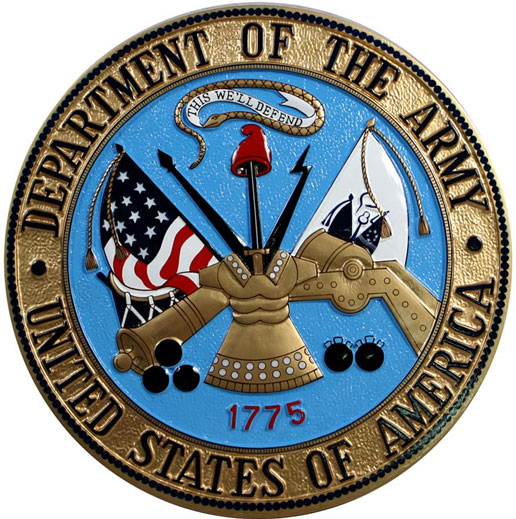
 As The D pointed out yesterday, the Phrygian Society takes its name from a "cap that was worn by the Phrygian people and has featured prominently in world culture ever since. Emancipated Roman slaves wore the Phrygian cap as an indication of their liberty. For a time, the cap was also worn in theater by any character who served as a 'man of the people.' According to the Revolutions de Paris, a chronicle printed during the French Revolution, the cap was 'the symbol of the liberation from all
  servitudes, the sign for unification of all the enemies of despotism.'"
To the upper left, you will see one of the French caps, while below that you can see a more Roman-era cap. To the upper right is the seal of the United States Army, which contains an image of the cap on a pole.

Of course, as noble as that all is, the most famous wearers of the Phrygian cap are the Smurfs (to the right). It's also a deformity of the gallbladder, which I find somehow appropriate for a society predicated on the idea that Dartmouth was a lot better off before there were women and people of color here.
At any rate, here's to the Smurfs!
March 7, 2007
RIP Jean Baudrillard
Or at least the hyperreal version of him.
Seriously, though, at one point in the 1980s, talking about this guy could get you laid all the time, every time in grad school.
Seriously, though, at one point in the 1980s, talking about this guy could get you laid all the time, every time in grad school.
Lords of the Decoder Rings
The Dartmouth publishes an article today on the all-male secret society known as the Phrygians. It's a very interesting article and is quite well-researched—this is what I meant the other day when I talked about not publishing the moment you get a few facts, but waiting until you have a full story with some context.
I've known about the society for some time, but was unable to make the types of discoveries that they have. One thing that they did not mention, however, but I believe to be true is that the History of Dartmouth club, a COSO recognized group, is a front organization for them in much the same way the Evelyn Waugh Society is for The Review.
As for the membership, I'm not going to be so rude (actually, I'm not sure what purpose it would serve) as to release all the names—I only have the class of '07 anyway—but I will say that The D picked up on most of the notable names and was correct on all of the 07s they named.
I do want to say, however, that I would not assume that all of the members are equally committed to the anti-administration effort; a few are very committed, write op-eds (like Eastman or Fenn) or write for The Review, but a lot of the men, as far as I can tell, aren't really that politically engaged. I mean, maybe they take the message back to their frats (Chi Gam and Phi Delt are the two most represented), but it doesn't seem to me that all of the members are even that conservative, much less John Birch Society material. You do have to love the conservative reaction to ideological opposition, though—"does this mean we can form a shadowy organization?"
My only further note is that I had been wondering if Malchow had been tapped for next year—I would say that the fact that he has, and is taking such a prominent role in the society, is evidence that the students really don't have the reins, as I can't imagine varsity captains and Greek presidents taking marching orders from him pleasantly. Conservative alums, however, especially the PowerLine trio, have been underwriting and supporting him for some time.
I do love Malchow's little attempt at ye olde poesie:
"A threat gathers, you see, by the Old Pine down yon,
Abusing this plain with a poisonous yarn,
About conspiracies and folklore and threats to this school.
But the gravest threat I see is the King and his rule."
I get it! I get it! Jim Wright is Sauron! Omg that makes so much sense!
I've known about the society for some time, but was unable to make the types of discoveries that they have. One thing that they did not mention, however, but I believe to be true is that the History of Dartmouth club, a COSO recognized group, is a front organization for them in much the same way the Evelyn Waugh Society is for The Review.
As for the membership, I'm not going to be so rude (actually, I'm not sure what purpose it would serve) as to release all the names—I only have the class of '07 anyway—but I will say that The D picked up on most of the notable names and was correct on all of the 07s they named.
I do want to say, however, that I would not assume that all of the members are equally committed to the anti-administration effort; a few are very committed, write op-eds (like Eastman or Fenn) or write for The Review, but a lot of the men, as far as I can tell, aren't really that politically engaged. I mean, maybe they take the message back to their frats (Chi Gam and Phi Delt are the two most represented), but it doesn't seem to me that all of the members are even that conservative, much less John Birch Society material. You do have to love the conservative reaction to ideological opposition, though—"does this mean we can form a shadowy organization?"
My only further note is that I had been wondering if Malchow had been tapped for next year—I would say that the fact that he has, and is taking such a prominent role in the society, is evidence that the students really don't have the reins, as I can't imagine varsity captains and Greek presidents taking marching orders from him pleasantly. Conservative alums, however, especially the PowerLine trio, have been underwriting and supporting him for some time.
I do love Malchow's little attempt at ye olde poesie:
"A threat gathers, you see, by the Old Pine down yon,
Abusing this plain with a poisonous yarn,
About conspiracies and folklore and threats to this school.
But the gravest threat I see is the King and his rule."
I get it! I get it! Jim Wright is Sauron! Omg that makes so much sense!
Follow the Money
The D published two pieces today dealing with money and the trustee race— an article and a Verbum Ultimum—asking the basic question, where is Stephen Smith, the conservative petition candidate, getting his money and his mailing lists?
When asked, Smith pulled what can only be called the race card: "It is disturbing how quick some are to assume that a black man who comes forward to offer his vision for the College can't possibly be thinking or speaking for himself."
No, Mr. Smith, no one's suggesting black people can't think for themselves, but many have suggested that the campaign you're running is clearly modeled on the petition campaigns of the past few years, and that your rhetoric clearly intends to appeal to the same voting bloc. Others have suggested that you change your message drastically based on your audience and questioned your motives for doing so.
The D is also suggesting that it would have been extremely difficult for you to have magically drawn up an alumni-wide mailing list independently, and that you're clearly getting money through fundraising. The list of your donors shouldn't be something you feel you have to keep confidential.
But the clincher, I think, is what Sandy Alderson says:
When asked, Smith pulled what can only be called the race card: "It is disturbing how quick some are to assume that a black man who comes forward to offer his vision for the College can't possibly be thinking or speaking for himself."
No, Mr. Smith, no one's suggesting black people can't think for themselves, but many have suggested that the campaign you're running is clearly modeled on the petition campaigns of the past few years, and that your rhetoric clearly intends to appeal to the same voting bloc. Others have suggested that you change your message drastically based on your audience and questioned your motives for doing so.
The D is also suggesting that it would have been extremely difficult for you to have magically drawn up an alumni-wide mailing list independently, and that you're clearly getting money through fundraising. The list of your donors shouldn't be something you feel you have to keep confidential.
But the clincher, I think, is what Sandy Alderson says:
Alderson also revealed he had a personal interview with the petition trustees when they considered supporting him before adopting Smith as "their own petition candidate."Couple this with the Phrygian Society (see above) and what do you have? Well, besides a banner issue for The D, an increasingly obvious network of conservatives whose activity on campus is fairly subterranean, despite their calls for administrative transparency. I would call "hypocrisy" on this one, but what do you expect?He recalled two meetings, one with former petition trustee John Steel '54, and one with Rodgers and Robinson. He said he also engaged in a phone conversation with Zywicki before being "dropped."
"Make no mistake about it, the petition candidate is their candidate," he said. "They dropped me after I didn't pass their litmus test of voting against the constitution -- that and my general but not universal support of Jim Wright."
March 6, 2007
An Emotional Rollercoaster
When I first read the campus blitz, I couldn't help but chuckle (or burst out laughing, I can't quite remember how I reacted). A very large special needs student was apparently roaming the wilds of Hanover, and in a red kilt, to boot. I couldn't quite reconcile myself with inevitably of going to hell for laughing, but I couldn't really stop laughing either. Needless to say, I felt conflicted, and it has been a trying 24 hours for me.
Today though, I read The D's update. And finally, my conscience sort of caught up with the snarky jackass in me, and I felt really awful. (Aren't you all glad I keep you posted on my emotional status?). A little detail I missed was that this kid needs daily medication, and now it appears that, despite the best efforts of H-Po's bloodhounds (note to self: H-Po has bloodhounds), he has disappeared without a trace. And that is really awful.
So it's settled now, that the mysterious disappearance of special needs child is in fact a bad thing, and I, in fact, feel quite bad. So, here's to hoping the karmic retribution for my being an ass is his swiftly being found, safe and sound. If anyone hears any updates on this, post a comment.
Today though, I read The D's update. And finally, my conscience sort of caught up with the snarky jackass in me, and I felt really awful. (Aren't you all glad I keep you posted on my emotional status?). A little detail I missed was that this kid needs daily medication, and now it appears that, despite the best efforts of H-Po's bloodhounds (note to self: H-Po has bloodhounds), he has disappeared without a trace. And that is really awful.
So it's settled now, that the mysterious disappearance of special needs child is in fact a bad thing, and I, in fact, feel quite bad. So, here's to hoping the karmic retribution for my being an ass is his swiftly being found, safe and sound. If anyone hears any updates on this, post a comment.
March 5, 2007
Our Sex is the Mass
As a friend of mine likes to point out, over and over again, the New York Times Magazine tends to print "trend pieces" or various other revelations that are more exaggerated strings of anecdotes than actual exposes of anything.
There is one thing of note in the most recent piece, "Campus Exposure," on sex magazines at elite colleges, has a minor, passing reference to Dartmouth.
There is one thing of note in the most recent piece, "Campus Exposure," on sex magazines at elite colleges, has a minor, passing reference to Dartmouth.
"Our sex is the Mass, read a piece by a Dartmouth student. You kneel down in the doorway of my chapel..."That is just goddamn awful prose, and you know it, whoever wrote that. This is (one of many reasons) why we never get prominent name-checks in the media.
Undercover @ CPAC
I spent most of Thursday and Friday at the Conservative Political Action Conference, which is the conservative event of the year. I'm still reeling from the experience, and haven't quite finished documenting it all, but for now, check out the Campus Progress Undercover Liveblog. I got to meet, and sometimes even briefly chat, with the likes of John Bolton, Michelle Malkin, Mitt Romney, Grover Norquist, Laura Ingraham, and Tom DeLay, among others.
One other thing. The first thing out of Laura Ingraham's mouth after I introduced myself? "Wah hoo wah."
Wah hoo wah indeed.
One other thing. The first thing out of Laura Ingraham's mouth after I introduced myself? "Wah hoo wah."
Wah hoo wah indeed.
Andrew Eastman, Dartmouth's Own Conservapedia
Because if conservatives don't believe it, it's BIAS!
Or censorship—Eastman writes in to say that Wright's letter to the community pledging to "correct the record" on the misinformation people like Eastman have been feeding petition trustee candidate Stephen F. Smith is a threat of censorship. It's censorship because Wright's saying Smith is wrong, and that's not admissible at the Conservative Market of Free and Open Discourse.
Of course, if Eastman actually had any facts on his side, he could have used those to refute what Wright said in his community letter, and that would have been totally alright.
Or censorship—Eastman writes in to say that Wright's letter to the community pledging to "correct the record" on the misinformation people like Eastman have been feeding petition trustee candidate Stephen F. Smith is a threat of censorship. It's censorship because Wright's saying Smith is wrong, and that's not admissible at the Conservative Market of Free and Open Discourse.
Of course, if Eastman actually had any facts on his side, he could have used those to refute what Wright said in his community letter, and that would have been totally alright.
March 3, 2007
Ann Coulter Strikes Again
Ann Coulter called John Edwards a "faggot" to rousing applause and the approbation of Mitt Romney at the biggest conservative event of the year, the Conservative Political Action Conference, where last year she called Arabs "ragheads" and advised that Supreme Court Justices be murdered.
Here's the video, and here's a really good post about it.
Here's the video, and here's a really good post about it.
March 2, 2007
Verbum Penultimum
The D's Verbum Ultimum—a roundly Orwellian term, no?—today argues that administrative hiring processes should be more transparent. I suppose I should have addressed this earlier, but I am not opposed to such an idea in principle. If arrangements were made with applicants such that all knew that, if they reached the finalist round, their names would be released, I would think that The D, or anyone else, not only could, but should be reporting on it, commenting on it, etc.
But that was definitely not the case in this situation, nor is social service really The D's motivating force. The understanding all around was that this was confidential information—which is, I acknowledge, not a reason not to print it, but it is a reason for consideration of the possibility of going about printing it in a different manner—i.e. not splashing it on the front page, running a mug-shot-looking photograph and generally trying to make students believe that The D is doing us a great social service. A great social service would be reporting in a manner that lets students know things that really help them—the original article was singularly unhelpful, more sensationalist than informative, disorganized and short on facts. Instead of rushing to the presses, it would have been more responsible to wait for more facts, more contact with the persons involved, and more context.
The same holds true with today's reporting on last night's Speak Out, an event where women and men relate stories of their experiences with sexual assault and its aftermath. Instead of an article focusing on the nature of the event, the reasons for holding it, or something of that nature, they choose to dwell at length on one woman's story—clearly, the story that is the most shocking and, indeed, most personal. I do not know if the writer of the article received permission to quote from this woman's speech at length or to quote her at all—I know that there were some guidelines for the press laid down at the beginning of the event, and I'm not clear on whether the writer followed those guidelines. Certainly, the writer was under no legal obligation to do so, but she also was under no obligation to write the article in the way that she did—that is, luridly.
It's not tough to write in a way that does not sensationalize things, and honestly, The D really doesn't need to plump its circulation numbers with big-draw stories. These "scoops," this yellow journalism—it's not necessary for any actual journalistic purpose. It's not even good journalism—it's power-tripping, plain and simple. Maybe we should be use to it—3/4ths of the campus is on a power trip at one point or another (God knows I have mine), but The D's are a little more impactful, a little less responsible, a little more common.
But that was definitely not the case in this situation, nor is social service really The D's motivating force. The understanding all around was that this was confidential information—which is, I acknowledge, not a reason not to print it, but it is a reason for consideration of the possibility of going about printing it in a different manner—i.e. not splashing it on the front page, running a mug-shot-looking photograph and generally trying to make students believe that The D is doing us a great social service. A great social service would be reporting in a manner that lets students know things that really help them—the original article was singularly unhelpful, more sensationalist than informative, disorganized and short on facts. Instead of rushing to the presses, it would have been more responsible to wait for more facts, more contact with the persons involved, and more context.
The same holds true with today's reporting on last night's Speak Out, an event where women and men relate stories of their experiences with sexual assault and its aftermath. Instead of an article focusing on the nature of the event, the reasons for holding it, or something of that nature, they choose to dwell at length on one woman's story—clearly, the story that is the most shocking and, indeed, most personal. I do not know if the writer of the article received permission to quote from this woman's speech at length or to quote her at all—I know that there were some guidelines for the press laid down at the beginning of the event, and I'm not clear on whether the writer followed those guidelines. Certainly, the writer was under no legal obligation to do so, but she also was under no obligation to write the article in the way that she did—that is, luridly.
It's not tough to write in a way that does not sensationalize things, and honestly, The D really doesn't need to plump its circulation numbers with big-draw stories. These "scoops," this yellow journalism—it's not necessary for any actual journalistic purpose. It's not even good journalism—it's power-tripping, plain and simple. Maybe we should be use to it—3/4ths of the campus is on a power trip at one point or another (God knows I have mine), but The D's are a little more impactful, a little less responsible, a little more common.
February 28, 2007
Thomas Friedman is a Moron
Stop the presses! The world is not flat! Seriously, someone needs to alert Thomas Friedman as soon as possible. The over-mustachioed and under-informed pundit has made a name (and fortune) for himself as the prophet of a glorious future in which globalization makes all things possible and all things wonderful. The thing is, no matter how appealing and optimistic, his overly simplistic tripe is just wrong.
Pankaj Ghemawat, a professor of global strategy at IESE business school, has written a brilliant and concise piece in Foreign Policy that eviscerates the idiocy that has become conventional wisdom. Ghemawat shows how the vast majority (typically 90%) of “globalization indicators,” like investment and communication, continue to operate within a nation’s borders. But this isn’t just a matter of being wrong. With something as nebulous as globalization, the assumptions made by academics and public figures are taken as truth, not theory, and have powerful implications for policy. For example, the decades long assault on welfare expenditure has operated under the assumption that it is incompatible with globalized competition.
As Ghemawat sharply observes:
“The champions of globalization are describing a world that doesn’t exist. It’s a fine strategy to sell books and even describe a potential environment that may someday exist. Because such episodes of mass delusion tend to be relatively short-lived even when they do achieve broad currency, one might simply be tempted to wait this one out as well. But the stakes are far too high for that. Governments that buy into the flat world are likely to pay too much attention to the “golden straitjacket” that Friedman emphasized in his earlier book, The Lexus and the Olive Tree, which is supposed to ensure that economics matters more and more and politics less and less. Buying into this version of an integrated world—or worse, using it as a basis for policymaking—is not only unproductive. It is dangerous.”
Cross-posted at Campus Progress
February 27, 2007
Heintz's response
Carlos Mejia wrote in to The D yesterday arguing that the publication of the names of the candidates for Dean of the College was irresponsible and improper.
Paul Heintz wrote in today arguing that Carlos was pushing for censorship of his beloved D (which sponsored his sporadically amusing comic strip Guy and Fellow, thereby feeding his megalomania. Unfortunately, the DFP may have had a hand in that feeding as well, supporting him in his ultimately unsuccessful run for SA President.) Censorship, however nasty a word, was not the point, of course, but Heintz's careful reconstruction of the piece (and by careful reconstruction, I mean hatchet job) made it seem like it was.
Regardless, Heintz’s column represented everything that is wrong about the paper that he once worked for. Heintz displayed all the self-importance and preeningly purposeless aggressiveness that led to The Dartmouth’s decision to print those names. Without blinking, Heintz arrogates to his former paper the same status and sense of natural right that a national newspaper has, justifying its actions by equating them with wartime reporting.
Paul Heintz wrote in today arguing that Carlos was pushing for censorship of his beloved D (which sponsored his sporadically amusing comic strip Guy and Fellow, thereby feeding his megalomania. Unfortunately, the DFP may have had a hand in that feeding as well, supporting him in his ultimately unsuccessful run for SA President.) Censorship, however nasty a word, was not the point, of course, but Heintz's careful reconstruction of the piece (and by careful reconstruction, I mean hatchet job) made it seem like it was.
Regardless, Heintz’s column represented everything that is wrong about the paper that he once worked for. Heintz displayed all the self-importance and preeningly purposeless aggressiveness that led to The Dartmouth’s decision to print those names. Without blinking, Heintz arrogates to his former paper the same status and sense of natural right that a national newspaper has, justifying its actions by equating them with wartime reporting.
On the contrary, The Dartmouth’s decision to print those names owes more to yellow journalism and tabloids than it does to Christiane Amanpour. And while its staff can chant “independent organization” all it wants, it does not change the fact that the staff of The Dartmouth still has responsibilities outside its (College-owned) walls.
That mantra, however—that The Dartmouth is independent of the College—buries the deeper truth of the matter. While the organization is independent of the College, its students are not. The
The
February 25, 2007
Lubezki is mugged

Even if Pan's Labyrinth is as amazing as everyone thinks it is (I'm waiting to see it until I can do so for free at the Hop, March 7), nothing could surpass the cinematography of Emmanuel Lubezki in Children of Men this year. From a technical standpoint, Lubezki pulled off the two most mind-bogglingly tricky tracking shots I have ever seen in a film. From an artistic standpoint, the film mixes the visual and the visceral in a way that is almost hallucinatory in its ability to affect your perceptions on a very deep level, riveting, and strangely enlivening.
To make matters worse, this is the second straight year that a transcendent effort by Lubezki was snubbed. The New World last year was nearly as good as Children of Men.
Malchow reaches a not-quite-record low
On the Duke-Dartmouth lacrosse match:
The Duke Lacrosse team opened the 2007 season yesterday, at home in Durham, to a near-record crowd of 6,485 fans. Before the game, Duke installed signs along the field fence bearing the inscription Succisa virescit, which was the motto of Reade Seligmann’s Morristown, New Jersey high school. It means cut it down, and it grows back greener.Malchow's love for accused rapists exceeds his love for Dartmouth. Mark it down.The gentlemen from Duke beat Dartmouth 17-11.
Truthiness
There is now (I'm sure you're overwhelmed) "a much-needed alternative to Wikipedia, which is increasingly anti-Christian and anti-American," and it is called Conservapedia.
Conservapedia is "a conservative encyclopedia you can trust," and, in case you've been worried, has a handy list of "examples of bias in Wikipedia." Thank G-d for that. And it's already had great social impact—"A Conservapedia contributor helps defeat mandatory vaccination; Merck cancels its million-dollar lobbying effort." I have no idea what this Merck thing is, but defeating mandatory vaccinations sounds like fun. Where do I sign up?
Conservapedia is "a conservative encyclopedia you can trust," and, in case you've been worried, has a handy list of "examples of bias in Wikipedia." Thank G-d for that. And it's already had great social impact—"A Conservapedia contributor helps defeat mandatory vaccination; Merck cancels its million-dollar lobbying effort." I have no idea what this Merck thing is, but defeating mandatory vaccinations sounds like fun. Where do I sign up?
February 22, 2007
Dean of the College article
The Daily D got a big scoop this morning: they revealed the names of three of the four finalists for the position of Dean of the College.
Actually, it isn't that big of a scoop. Sure, they published the names well before the search committee was ready to release them but I'm not sure any students actually care.
We should, though. Revealing those names constitutes a complete breach of confidentiality—confidentiality which is absolutely crucial in a job search like this.
If I'm employed at, say, Bowdoin and would like to make a move up to, say, Dartmouth, I probably am not eager for Bowdoin to know I'm dissatisfied and am looking for a job elsewhere. If I'm trying to get a jump on my job search because my contract will be up in a year or two, I probably don't want Bowdoin to know I'm not planning on renewing. I might get fired or demoted; I might be given less funding or staff; I might just get a lot of angry looks from other faculty. But none of that has to happen, nor should it.
Because of The D's actions, the candidates who are still at other institutions are open to all of that. And the other, who got a mug-shot-looking picture on the front page of the paper, probably doesn't want her recent employment history being floated about in a college newspaper. Additionally, since the information passed to The D is incomplete, the article will only invite poorly-informed speculation.
So Dartmouth College looks like an institution that can't protect its job applicants from getting their names waved around the internet. I bet that will encourage people to send us their resumes, especially well-qualified candidates who have a much wider field to apply to. Why bother with a College which has a confidentiality problem when you have your pick anyway?
Not only that, but who wants to work at a college with a student newspaper which will post mugshot-quality pictures of you if they think it'll get them a scoop?
The search for the Dean of the College isn't the only one going on; Dartmouth is looking to replace the Dean of OPAL and the Dean of Admissions. I hope we still get good applicants despite this action.
Actually, it isn't that big of a scoop. Sure, they published the names well before the search committee was ready to release them but I'm not sure any students actually care.
We should, though. Revealing those names constitutes a complete breach of confidentiality—confidentiality which is absolutely crucial in a job search like this.
If I'm employed at, say, Bowdoin and would like to make a move up to, say, Dartmouth, I probably am not eager for Bowdoin to know I'm dissatisfied and am looking for a job elsewhere. If I'm trying to get a jump on my job search because my contract will be up in a year or two, I probably don't want Bowdoin to know I'm not planning on renewing. I might get fired or demoted; I might be given less funding or staff; I might just get a lot of angry looks from other faculty. But none of that has to happen, nor should it.
Because of The D's actions, the candidates who are still at other institutions are open to all of that. And the other, who got a mug-shot-looking picture on the front page of the paper, probably doesn't want her recent employment history being floated about in a college newspaper. Additionally, since the information passed to The D is incomplete, the article will only invite poorly-informed speculation.
So Dartmouth College looks like an institution that can't protect its job applicants from getting their names waved around the internet. I bet that will encourage people to send us their resumes, especially well-qualified candidates who have a much wider field to apply to. Why bother with a College which has a confidentiality problem when you have your pick anyway?
Not only that, but who wants to work at a college with a student newspaper which will post mugshot-quality pictures of you if they think it'll get them a scoop?
The search for the Dean of the College isn't the only one going on; Dartmouth is looking to replace the Dean of OPAL and the Dean of Admissions. I hope we still get good applicants despite this action.
"Rape Zones"
Max Bryer, this doesn't make sense.
"the charge that all fraternities across the board are either directly responsible or inherently complicit in sexual crimes is simply too broad to command much credence."
So generalizations are bad, huh? Funny you should think so, because in a preceding paragraph, you come up with this whopper:
"Sexual assault is the truly unfortunate consequence inherent in any large social gathering. A large social event is bound to contain any number of scumbags who will try to take advantage of someone... Rape happens wherever people congregate because schmucks are everywhere."
Right.
So frats aren't all bad, but big groups of people--all big groups of people--are. We shouldn't generalize about frats, but generalizing about the whole human race is perfectly acceptable.
Strange, but I'll grant you both the generalization and this odd exception for the moment.
The problem I have with your argument is that you have no idea what Andreadis's "rape zones" plan was for. It was not, as you seem to think, intended merely to compare frats and prove which ones are the "worst." It wasn't even designed as a way to prove to the campus that sexual assault happens om the frats. The project was by no means even supposed to be limited to fraternities at all—it would have included all spaces which students frequent. The intention was to give students the information which would allow and encourage them to take responsibility for the spaces over which they have some control.
If I were a brother at a frat, even if I was sure my fellow brothers would never, even under the influence of alcohol, sexually assault women, I would want to know if somebody else was at one of my parties. If Bryer's generalization about big groups of people--that they'll always have scumbags among them--is even often true, I'd want to know if those scumbags are showing up at my house and assaulting women in my space. If it turned out that my house and my house's hospitality was being used in this way, I would use that information to figure out what kind of steps needed to be taken to make my parties safe for everyone. On a personal level, I'd try to look around a little bit more when the basement's open or the dance party's on and see if I can help head off any problems. At any rate, if I know that sexual assault occurs in my house, I'd certainly feel more impelled to consider sexual assault as something that affects me and isn't just something that happens at other houses.
But maybe that's just me.
"the charge that all fraternities across the board are either directly responsible or inherently complicit in sexual crimes is simply too broad to command much credence."
So generalizations are bad, huh? Funny you should think so, because in a preceding paragraph, you come up with this whopper:
"Sexual assault is the truly unfortunate consequence inherent in any large social gathering. A large social event is bound to contain any number of scumbags who will try to take advantage of someone... Rape happens wherever people congregate because schmucks are everywhere."
Right.
So frats aren't all bad, but big groups of people--all big groups of people--are. We shouldn't generalize about frats, but generalizing about the whole human race is perfectly acceptable.
Strange, but I'll grant you both the generalization and this odd exception for the moment.
The problem I have with your argument is that you have no idea what Andreadis's "rape zones" plan was for. It was not, as you seem to think, intended merely to compare frats and prove which ones are the "worst." It wasn't even designed as a way to prove to the campus that sexual assault happens om the frats. The project was by no means even supposed to be limited to fraternities at all—it would have included all spaces which students frequent. The intention was to give students the information which would allow and encourage them to take responsibility for the spaces over which they have some control.
If I were a brother at a frat, even if I was sure my fellow brothers would never, even under the influence of alcohol, sexually assault women, I would want to know if somebody else was at one of my parties. If Bryer's generalization about big groups of people--that they'll always have scumbags among them--is even often true, I'd want to know if those scumbags are showing up at my house and assaulting women in my space. If it turned out that my house and my house's hospitality was being used in this way, I would use that information to figure out what kind of steps needed to be taken to make my parties safe for everyone. On a personal level, I'd try to look around a little bit more when the basement's open or the dance party's on and see if I can help head off any problems. At any rate, if I know that sexual assault occurs in my house, I'd certainly feel more impelled to consider sexual assault as something that affects me and isn't just something that happens at other houses.
But maybe that's just me.
February 21, 2007
Sex on Campus
I read Matt Nolan's op-ed today with some interest—rarely do we get a downright moralistic jeremiad in The D. Wait, that's completely false; we get them all the time.
We don't, however, get too many writers who quite so openly tell us that other people's frankness is screwing with their efforts at self-repression.
But that's not the most interesting article on sex I read today—Meghan O'Rourke, who writes the Highbrow column for Slate, takes on a new book that shines the old conservative chestnut that women who have sex and don't hold out for love will have bad sex and no romance:
We don't, however, get too many writers who quite so openly tell us that other people's frankness is screwing with their efforts at self-repression.
But that's not the most interesting article on sex I read today—Meghan O'Rourke, who writes the Highbrow column for Slate, takes on a new book that shines the old conservative chestnut that women who have sex and don't hold out for love will have bad sex and no romance:
[Using the common] metaphor of [casual sex as] practice for a grueling competition says a lot about both the phenomenon Stepp is describing and her blinkered perspective. What her own reporting suggests, but she doesn't seem to see, is that if there is a problem, it isn't that young women are separating love and sex. It's that they are blurring sex and work: The hookup culture is part of a wider ethos of status-seeking achievement. As one girl puts it: "Dating is a drain on energy and intellect, and we are overwhelmed, overprogrammed and overcommitted just trying to get into grad school." So they throw themselves into erotic liaisons with the same competitive zeal they bring to résumé-building: "If you mention you think a guy is hot, your friend may be, 'Oh, he is hot. I'm gonna go get with him,' " Anna, a high-school student, reveals. The combination of postfeminist liberation and pressure from parents to "do it all"—as one kid puts it—has led girls to confuse the need to be independent (which they associate with success) with the need to be invulnerable. Thus, they frame their seemingly explorative sex lives in rigid, instrumental terms, believing that vulnerability of any sort signals a confusing dependence. The result? Shying away from relationships that can hurt them—which includes even fleeting obsessions that can knock them off balance.Honestly, any Sex & the City episode will give you this same insight, but O'Rourke's narrative voice is a hell of a lot less annoying than Carrie's.If this is true, the last thing young women need is more assignments from those who view relationships as yet another arena in which they better "win." In that sense, Unhooked is part of the very problem it's trying to offset. While noting that a fear of "failing" makes college girls insist that they've got matters under control when they don't, Stepp offers up the same prescriptive diagnoses that get in the way of young women asking themselves what they—as individuals—might really want: "I hope to encourage girls to think hard about whether they're 'getting it right,' " Stepp says. At the same time, young men get away without such cautionary lessons: Stepp follows a long pattern of leaving them out of the picture. From at least the 1920s (when everyone thought flappers were destroying manners) on through the 1980s (when teen pregnancy rates had everyone alarmed), girls have been hearing that their sex lives are the symbol of generational decadence.
The truth is that even the sex-as-work ethic has an upside—one Stepp fails to see. For the first time in ages, young women are actually concentrating, in some fashion, more on their work and on their female friendships than on love and sex, and many do feel empowered by this. One of the studies Stepp cites found that young women feel less pressured to engage in sex than their male peers do. If some have a tough time figuring out what romantic or sexual pleasure is, they are nonetheless hardheaded about their status as pioneers in a new sexual landscape. "If there's one thing that I know about adults, it's that they pounce on adolescent sexuality with zeal," says Alicia, a student at Duke, aptly pinpointing the adult impulse to scold. Stepp couldn't resist the impulse herself. Buying into alarmism about women, Unhooked makes sex into a bigger, scarier, and more dangerous thing than it already is. The fact is, love is a messy arena, and in it most of us make both wise and foolish choices. C'est la vie, if not l'amour.
February 9, 2007
Groundhog Day
Instead of writing a letter to the D more fully explaining some things I said at the DCLU discussion, I expanded my ideas for this week's DFP editorial. Enjoy.
January 31, 2007
Who Not to Vote For in the Democratic Primary
Joe Biden:
[in reference to Barack Obama): "you got the first mainstream African-American who is articulate and bright and clean and a nice-looking guy... I mean, that’s a storybook, man."
What a fucking racist.
Edit: I want to be sure it doesn't seem like I'm just throwing out a charge of racism recklessly.
The key here is the word "mainstream." What Biden means by "mainstream" is "white enough for whites to feel represented by him." Biden would probably even himself admit that this is his basic meaning—he's making the case that Obama is the first black national figure who is "white" enough that whites look at him and see themselves represented to some extent.
The racism kicks in when you consider that Biden connects being articulate, bright, and clean to being mainstream; the all too overt implication is that being "more white" means being more articulate, bright, and clean. That is racism, plain and simple.
[in reference to Barack Obama): "you got the first mainstream African-American who is articulate and bright and clean and a nice-looking guy... I mean, that’s a storybook, man."
What a fucking racist.
Edit: I want to be sure it doesn't seem like I'm just throwing out a charge of racism recklessly.
The key here is the word "mainstream." What Biden means by "mainstream" is "white enough for whites to feel represented by him." Biden would probably even himself admit that this is his basic meaning—he's making the case that Obama is the first black national figure who is "white" enough that whites look at him and see themselves represented to some extent.
The racism kicks in when you consider that Biden connects being articulate, bright, and clean to being mainstream; the all too overt implication is that being "more white" means being more articulate, bright, and clean. That is racism, plain and simple.
The People's Platform
With all the talk these days about the uselessness of SA, I thought I’d try to throw a constructive proposal out there. Right now, SA is an essentially powerless body that, at its strongest, can urge changes with the (deserved or not) seal of student approval. I don’t expect the college to grant it more legitimate power, and I’m not sure what form that would take anyway (other than a student trustee position, but I wouldn’t want that to go through SA anyway…it would have to be me). However, by actually focusing on serious and important issues of college policy, by demanding specific and practical reforms, SA could at least set the precedent of being effective and seem worth taking seriously.
So, recognizing that SA is often an apolitical holding tank for mildly well-intentioned resume padders incapable of forming its own coherent agenda, why don’t we (the people…by which I mean myself) come up with the ideas?
Here are my top four proposals that should form the people’s platform. People could weigh in on them, add ideas, subtract ideas, student groups could submit there own, and then candidates would pick different combinations of them, and offer different methods of accomplishing this. Eh? Novel, no? (Okay, none of this is about a practical proposal. It’s just what I think is important, and I want to see how other people feel about these issues.)
- Sensible Alcohol Policy – Understanding that S&S is a buffer from H-Po still doesn’t justify the level of disciplinary sanctions that follow being picked up. For the non-Greek inclined, much of the frat scene’s strength derives from its monopoly on drunkening – similar spaces with similarly regulated but lax oversight could form party alternatives.
- Gender Neutral Housing – First off, we’re all grown ups, it would make things easier, and since all the newer/renovated housing is in the form of suites, it wouldn’t really offend Jesus that much. Second, a space for non-inebriated, relaxed interaction among the opposite sex might foster a little mutual understanding (or do away with the mutual obliviousness that currently exists), and even if it didn’t reign in the frat-party-compartmentalized horniness, it might at least help everyone be a little less awkward.
- 24 Hour Library Access – self-explanatory, not a lot to ask from your college.
- 24 Hour Food Access – also self-explanatory. Also, a little more freedom from DDS wouldn’t kill anyone.
Also, shameless self-promotion. Check out my review of Dinesh D'Souza's new book "The Enemy at Home," on Campus Progress.
DCLU Discussion
As per usual, The D does a great job of underquoting/misquoting in reporting on the DCLU discussion concerning free speech/hate speech. I am quoted as saying, "There is an element of power going on where the socially powerful deem what discourse is deemed valid or legitimate and what is not..." I don't remember using the word 'deem' once all night—it is not a word I use frequently, and I doubt I managed to interject twice into one sentence.
Just as an example of the shoddy writing/reporting in this piece, check out this sentence: "The preposition that Dartmouth does have a speech code stems largely from the participation of College President James Wright and other members of the administration at the Solidarity against Hatred rally last November, Seal said." Preposition? I'm glad the dude didn't pretend that was a direct quote.
Not only that, but the other time I'm quoted, "Previous trustee candidates have run on similar platforms. They gain attention for these libertarian ideas." That's a brutal paraphrase. Now, I could see the reporter was simply typing things down, not recording anything, so I can understand if he missed an inconsequential word or two. But he simply condensed much of what I said into something that makes no sense. Look for a letter to the editor explaining my position.
Just as an example of the shoddy writing/reporting in this piece, check out this sentence: "The preposition that Dartmouth does have a speech code stems largely from the participation of College President James Wright and other members of the administration at the Solidarity against Hatred rally last November, Seal said." Preposition? I'm glad the dude didn't pretend that was a direct quote.
Not only that, but the other time I'm quoted, "Previous trustee candidates have run on similar platforms. They gain attention for these libertarian ideas." That's a brutal paraphrase. Now, I could see the reporter was simply typing things down, not recording anything, so I can understand if he missed an inconsequential word or two. But he simply condensed much of what I said into something that makes no sense. Look for a letter to the editor explaining my position.
Subscribe to:
Posts (Atom)